
Every December, people across Missouri promise themselves a “fresh start.” Gym memberships spike, budgets are redrawn, and resolutions are made with the best intentions. Yet by spring, most fade away, forgotten beneath the weight of life’s routine. But what if, instead of another short-lived goal, this year’s resolution could secure your family’s peace of mind for generations?
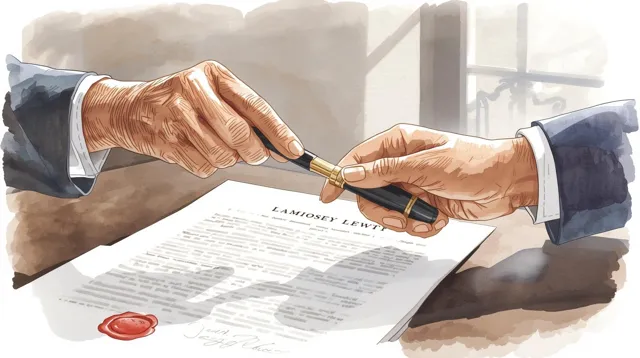
For many nearing retirement, the answer lies in estate planning legacy strategies for empty nesters in Missouri. Unlike fleeting resolutions, legacy planning carries lasting power; it transforms temporary intentions into enduring protection. It’s not just about passing down wealth, but preserving wisdom, values, and a lifetime of hard work.
This season isn’t only about looking forward; it’s about looking back with gratitude and forward with purpose. Thoughtful estate planning ensures that the decisions you make today will echo long after the confetti falls—offering your family clarity, comfort, and the legacy you’ve always intended to leave.
The Shift from Resolutions to Legacy Thinking
Every January, millions of people set out to reinvent themselves. The resolution lists are familiar: exercise more, save money, travel, eat better. But for those entering a new phase of life after the children have grown, careers have matured, and priorities have shifted, there’s a deeper question worth asking: What will truly endure when the year ends?
Traditional resolutions tend to focus on self-improvement. Legacy thinking, on the other hand, centers on impact. It’s the recognition that life’s greatest achievements are not measured in days or dollars, but in the values and security passed down to future generations.
For many Missourians, this shift means embracing estate planning legacy strategies for empty nesters in Missouri as a way to create something that lasts far beyond personal goals or annual resolutions.
Unlike resolutions that fade with time, legacy planning creates a framework for the years ahead. It aligns financial realities with emotional priorities, ensuring that your wishes, relationships, and values remain protected.
It also bridges a generational gap, allowing parents to have meaningful conversations with their adult children about inheritance, responsibility, and family history.
The shift toward legacy thinking is not only philosophical—it’s practical. A well-structured estate plan can reduce taxes, simplify asset transfers, and protect families from disputes, offering peace of mind that few short-term goals can match (SmartAsset: Benefits of Estate Planning).
Choosing to protect your legacy isn’t about what you’ll do this year—it’s about what you’ll preserve forever.
Legacy thinking is the resolution that doesn’t expire. It’s the mindset that transforms fleeting goals into a lifetime of clarity, security, and meaning.
Why Empty Nesters Are in the Perfect Season for Legacy Planning
When the last child leaves home, a profound life shift begins. For years, energy was poured into nurturing, guiding, and supporting others. Suddenly, there’s space, both emotional and practical, to look inward and ask, What’s next?
This is the season when estate planning legacy strategies for empty nesters in Missouri carry unique power. It’s a moment of freedom paired with responsibility, where decisions made today can define the legacy left tomorrow.
Many people mistakenly believe estate planning is only for the wealthy or elderly, but that couldn’t be further from the truth. For those approaching or enjoying retirement, estate planning is about control and clarity.
It’s ensuring that a lifetime of effort doesn’t unravel due to oversight or uncertainty. Empty nesters are often at the ideal point to review ownership structures, update wills, and establish trusts that reflect their current life stage and family goals.
One of the most overlooked opportunities at this stage is redefining legacy beyond finances. This includes preserving family stories, organizing important documents, and communicating personal values.
As the financial landscape evolves, understanding modern tools, such as digital asset management and charitable giving plans, adds another layer of protection and meaning.
This stage of life also provides a tax-efficient window for adjusting or transferring assets. With proper planning, families can avoid unnecessary taxation, legal challenges, and emotional turmoil.
As noted by Forbes, the key to effective estate planning is proactive preparation—not reaction. For Missouri’s empty nesters, that preparation ensures the years ahead are not just comfortable, but impactful.
Legacy planning isn’t about letting go of the past; it’s about protecting the story that’s still being written.
The Emotional and Financial Harmony of a Thoughtful Legacy
The most meaningful legacies are rarely built on numbers alone. For those entering life’s quieter chapter, the heart of estate planning legacy strategies for empty nesters in Missouri lies in balance, aligning financial clarity with emotional purpose.
After decades of building wealth, buying homes, and supporting children, the next step is ensuring that those assets reflect not just what you’ve earned, but what you value.
A well-designed legacy plan connects those two worlds. It ensures your financial structure supports what matters most, whether that is family unity, charitable impact, or long-term security for a spouse or grandchild. It also offers peace of mind, which is something no resolution or short-term goal can match.
Emotional peace comes from knowing that future disputes will be minimized, beneficiaries will understand your wishes, and your legacy will be carried out exactly as intended.
This level of planning also demands reflection. Who will carry your stories, not just your assets? How can your estate plan preserve family harmony rather than create confusion or resentment?
Too many families discover too late that lack of communication, not lack of money, causes the most pain. A thoughtful approach includes written guidance, family meetings, or letters of intent that clarify your decisions and pass down more than wealth. They pass down wisdom.
As Purposeful Wealth Advisors explains, true legacy planning extends far beyond financial inheritance. It involves sharing the stories, values, and traditions that define who you are. For Missouri’s empty nesters, this stage of life offers the perfect opportunity to blend emotional depth with financial foresight, ensuring that your legacy enriches both hearts and futures.
A legacy plan crafted with care becomes more than a legal document; it becomes a mirror of your life’s purpose, ensuring that what you’ve built continues to shape lives long after the resolutions of a single year have faded.
How Missouri’s Laws Shape Legacy Planning for the Modern Empty Nester
Every state has its own nuances when it comes to estate planning, and Missouri is no exception. Understanding these local distinctions is a critical part of estate planning legacy strategies for empty nesters in Missouri, especially for those nearing retirement or entering a new financial chapter.
A well-crafted legacy plan doesn’t just outline wishes; it ensures those wishes align with the laws and financial regulations that govern how assets are transferred and protected.
One often overlooked element is how Missouri handles probate and non-probate assets. Without proper planning, even the most carefully accumulated estate can get caught in court proceedings, delaying distributions and causing emotional stress for surviving family members.
Tools like revocable living trusts, beneficiary designations, and transfer-on-death deeds can help streamline the process, reducing both time and cost.
Tax implications also play a significant role. While Missouri currently does not impose a state estate or inheritance tax, federal thresholds still apply and new regulatory changes can influence how those assets are handled.
Staying aware of shifting financial rules, including potential adjustments to retirement account distributions or tax exemptions, can help prevent future surprises. As Vintage Financial Group explains, evolving laws and regulations can directly affect how individuals manage, gift, and transfer their wealth, making periodic reviews of your estate plan essential.
Missouri also recognizes advanced healthcare directives and durable powers of attorney, allowing individuals to make decisions now about who will manage their medical and financial affairs later. These documents ensure continuity and control, protecting both your legacy and your loved ones’ peace of mind.
When estate plans reflect both current law and future goals, they become more than a set of documents; they become adaptable strategies that secure your legacy, protect your assets, and keep your family safeguarded through every season of life.
Turning Reflection into Action: Building a Living Legacy in 2026 and Beyond
The transition from one year to the next offers not only a natural opportunity for reflection, but also an opportunity for renewal. For many Missourians entering this stage of life, the best resolution isn’t about self-improvement; it’s about preservation. The heart of estate planning legacy strategies for empty nesters in Missouri lies in turning that reflection into purposeful action.
Building a living legacy means thinking beyond documents and distributions. It’s about crafting a plan that continues to reflect your values as life evolves.
Whether that means creating charitable trusts, funding a grandchild’s education, or outlining instructions for family heirlooms, a well-designed estate plan serves as a blueprint for both financial stewardship and emotional connection. These details transform an estate plan from a legal formality into an expression of gratitude, love, and foresight.
Regular reviews are key to keeping that legacy aligned with your intentions. Changes in tax laws, family structures, and personal priorities all require updates to ensure your plan continues to serve its purpose.
Scheduling annual or biannual reviews with your trusted advisors,—especially around the year’s end,—helps prevent oversights that could erode years of careful planning.
Equally important is communication. Sharing your estate intentions with beneficiaries fosters transparency and minimizes potential conflict. As Union Bank & Trust highlights, discussing your estate plans with family can have both advantages and drawbacks, but when handled thoughtfully, it helps set clear expectations and reinforces family unity.
True legacy planning is not static: it’s a living process that matures alongside you. By transforming year-end reflection into strategic action, empty nesters can enter 2026 confident that their legacy will outlast resolutions, ensuring their family’s future remains as secure and meaningful as the life they’ve built together.
Frequently Asked Questions
1. What makes estate planning so important for empty nesters in Missouri?
Estate planning helps empty nesters protect the assets they’ve spent decades building while ensuring those assets are distributed according to their wishes. It also provides clarity for loved ones, prevents unnecessary court involvement, and can reduce stress and confusion during already difficult times.
2. How is estate planning different for empty nesters than for younger families?
Empty nesters often shift their focus from raising children to preserving wealth and planning for retirement or long-term care. Their estate planning priorities include updating beneficiaries, creating healthcare directives, and ensuring assets are passed on efficiently to children or charities.
3. What legal documents should every empty nester have in place?
At a minimum, every empty nester in Missouri should have:
- A Last Will and Testament
- A Revocable Living Trust (if applicable)
- A Durable Power of Attorney
- An Advance Healthcare Directive
- Updated Beneficiary Designations
These foundational documents form the cornerstone of a sound legacy strategy.
4. How often should an estate plan be reviewed?
Experts recommend reviewing your estate plan every 3–5 years, or sooner after major life changes such as marriage, divorce, retirement, or the birth of grandchildren. Regular reviews help ensure your documents remain accurate and compliant with Missouri’s estate laws.
At Polaris Law Group, we work with families in St. Charles County, St. Louis County, and throughout Missouri to review and update estate plans as life and the law evolve. Ongoing reviews allow us to address changes in assets, family dynamics, and legal requirements so your plan continues to reflect your goals. Learn more about our Missouri estate planning services here: https://polarisplans.com/missouri-estate-planning/.
5. Can estate planning help prevent family disputes?
Yes. Estate planning allows you to communicate your wishes clearly, document them legally, and designate trustworthy individuals to carry them out. As EP Wealth Advisors explains, proactive communication and properly structured documents can help minimize emotional conflicts and misunderstandings among heirs.
By addressing potential issues before they arise, families can focus on healing and togetherness instead of disputes.
6. What are common mistakes empty nesters make with their estate plans?
Some of the most frequent errors include:
- Forgetting to update beneficiaries after children marry or divorce
- Not accounting for blended family dynamics
- Overlooking digital assets
- Failing to plan for long-term care costs
- Not communicating estate wishes with family members
Avoiding these pitfalls ensures a stronger, conflict-free legacy.
7. Are there any Missouri-specific estate planning laws to consider?
Yes. Missouri allows for Transfer-on-Death (TOD) deeds, which help avoid probate when passing real estate to heirs. Additionally, Missouri doesn’t impose a state inheritance or estate tax, but federal taxes may still apply for higher-value estates. Working with professionals familiar with Missouri law ensures compliance and maximizes asset protection.
8. How can charitable giving be incorporated into a legacy plan?
Charitable giving—whether through donor-advised funds, charitable trusts, or direct gifts—can be an effective strategy for leaving a lasting impact while reducing taxable income. Many empty nesters include charitable gifts in their wills or trusts to align their financial legacy with their personal values.
9. What role does long-term care planning play in a legacy strategy?
Long-term care planning ensures that medical expenses or nursing home costs don’t deplete your estate. Integrating long-term care insurance, Medicaid strategies, or special trusts can protect both your assets and your family’s inheritance.
10. How can I start my estate planning legacy strategy before the new year?
Begin by taking inventory of your assets, identifying your goals, and meeting with an experienced estate planning attorney. They can guide you in drafting or updating essential documents and ensuring your plan complies with current Missouri laws.
The best time to start is before life forces your hand—planning early ensures peace of mind and protection for your family.
Next Steps: Make 2026 the Year You Build a Legacy, Not Just a Resolution
As the final days of the year fade, it’s natural to think about goals such as health, travel, finances, or time with loved ones. But resolutions fade quickly. What truly endures is the legacy you leave behind.
For many Missourians entering this next chapter of life, the quiet fear lingers: What if something happens before my affairs are in order? What if the home you worked so hard for, the savings you carefully built, or the relationships you cherish most, become entangled in legal uncertainty or family disputes?
These fears are not unfounded, but they are preventable. The key lies in taking proactive steps today, before another year passes. Creating or updating your estate plan is more than a legal task; it’s a promise to your loved ones that they’ll be protected and provided for, no matter what comes next.
At Polaris Law Group, we help Missouri families design thoughtful, secure plans that go beyond wealth; they preserve meaning, intention, and peace of mind. Don’t let another January come and go without solidifying your family’s future.

Ready to secure your family’s future? Contact Polaris Law Group today.
Have a question or are you ready to get started? Reach the Polaris Plans team at any of our locations or online.
St. Charles Office – Phone: (636) 535-2733
St. Louis County – Phone: (314) 763-2739
Visit Us Online at https://polarisplans.com/
Plans that Work. People who Care.