Family recipe estate planning serves as more than a way to preserve instructions for preparing meals. Passed down from generation to generation, dishes tell stories and embody legacies. They form bonds and preserve memories through taste and aroma. When creating an estate plan, adding provisions for culinary traditions preserves not only your favorite meals, but also the heart of your family culture. This article shares strategies on recipe inheritance and culinary legacy planning, combining practical legal advice with creative approaches so your unique flavors endure for decades to come.
Why Family Recipe Estate Planning Matters
Many individuals prioritize physical property and financial assets during estate planning. Jewelry, real estate, and investments often headline the conversation. However, family recipe estate planning ensures that culinary traditions are treated with the same care as financial assets. Recipes often carry more sentimental value than rare antiques or paintings, as each dish recalls celebrations, holidays, or quiet evenings shared. Passing them down allows future generations to experience those cherished moments.
Families who ignore family recipe estate planning risk losing vital connections between generations. Ingredients and instructions lost in translation can alter or erase beloved meals. Central ingredients, timing, and personal touches can be forgotten. By considering your culinary traditions as treasured assets, you transform estate planning into an expression of love and cultural preservation.
Creating a Family Recipe Book
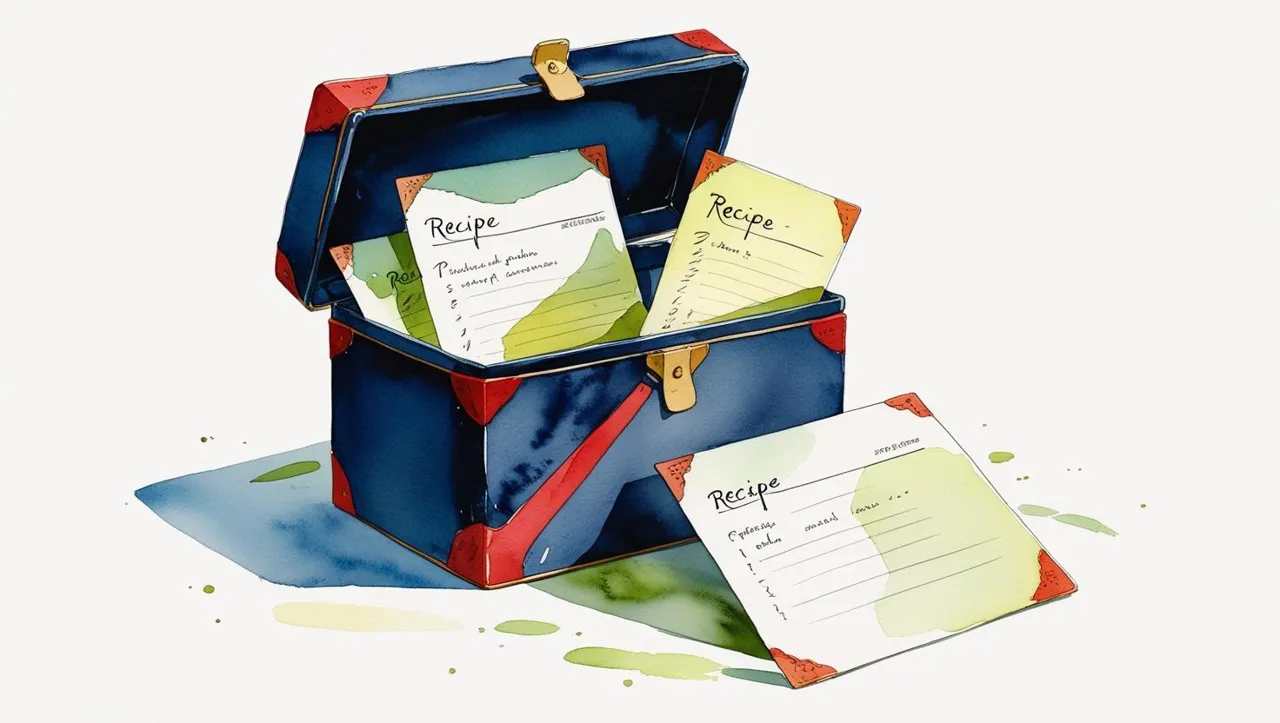
A carefully crafted recipe book serves as a culinary time capsule, allowing descendants to explore and continue cherished food traditions. As part of family recipe estate planning, a recipe book ensures that meals and the memories behind them are preserved as intentionally as financial or property assets. A hand-written notebook is intimate, while a professionally bound book becomes a centerpiece for gatherings. Include not just recipes, but the stories behind each meal, family photographs, and anecdotes recalling when certain dishes were served.
For instance, noting that your grandmother made her renowned apple pie each autumn for Thanksgiving deepens the recipe’s meaning. Add photos of special gatherings, handwritten notes, and secrets behind ingredient choices. Encourage relatives to contribute recipes and memories from their own kitchens, resulting in a collaborative heritage project. Technology also plays a role. Families can scan handwritten recipe cards and add them to digital books, preserving handwriting and personal notes. Recipe books bridge generations, sparking conversations between grandparents and grandchildren about flavors, origins, and personal twists.
Protecting your recipe book is as crucial as its creation. Store original documents in safe locations and gift digital copies to family members. Consider producing several printed editions, gifting them as wedding, graduation, or anniversary presents. Such a physical reminder highlights the importance of family recipe estate planning within the broader picture of inheritance.
Establishing a Culinary Trust
Estate planning often relies on legal instruments such as wills and trusts to specify inheritance wishes. For families who want to protect their food traditions, creating a culinary trust is one of the strongest tools in family recipe estate planning. A culinary trust grants authority over the distribution and use of recipes, clarifying who may access them and under what circumstances.
Such a trust can safeguard secret techniques or recipes meant only for select relatives. You can assign a trustee responsible for managing and distributing the materials, and establish guidelines for sharing recipes—whether publicly or only among family members. Some culinary trusts even include restrictions that prevent commercialization or alteration, ensuring the integrity of your culinary legacy remains intact.
This approach is particularly useful for families whose recipes are tied to small businesses or local fame. If your chocolate cake or pasta sauce forms the backbone of a successful restaurant or bakery, managing those assets through a trust is essential. It prevents disputes, unauthorized commercialization, or dilution of family authority. Working with an experienced attorney helps ensure that your culinary trust aligns with your wishes and reflects the larger goals of family recipe estate planning.
Beyond legal protection, a culinary trust also communicates the importance of your traditions. It signals to heirs that recipe inheritance requires stewardship and respect, while fostering accountability and pride among recipients.
Including Recipes in Your Will
Wills are powerful documents that guide the distribution of assets, and they can also play a vital role in family recipe estate planning. Including instructions about recipe inheritance formalizes your desires and clarifies who will serve as custodians of your family’s culinary legacy. Appointing an individual or group to hold your recipe collection ensures that treasured dishes remain in trusted hands. You may list specific recipes or provide a general directive for passing along your culinary assets.
This step provides more than legal clarity. It reduces confusion, minimizes conflict, and delivers peace of mind to those inheriting your recipes. Children, grandchildren, or godchildren often feel honored to carry this responsibility, recognizing that they are preserving both flavor and memory.
Consider outlining sharing protocols as part of family recipe estate planning. Some families choose open access, with all descendants receiving a copy of recipes, while others prefer selective sharing with individuals who enjoy cooking. You may also wish to address commercial intent—for example, whether family members may publish or monetize a cookbook—and clearly state any restrictions.
When drafting your will, work with legal professionals who understand culinary legacy planning. They will help ensure your language is specific and enforceable, resulting in a seamless transfer of recipes and traditions. This careful approach strengthens family connections through food rather than creating disputes.
Digitizing and Securing Your Culinary Heritage
Digital preservation of family recipes bridges tradition with technology, and it should be considered an essential part of family recipe estate planning. Scanning handwritten cards, uploading documents, and recording voice memos create durable and accessible collections that help families safeguard traditions from loss due to natural disasters, misplaced papers, or fading ink.
Digitized recipes can live on secure family websites, cloud storage, or dedicated recipe management platforms. Access controls safeguard privacy and integrity, while password protections or permissions determine who can view, download, or edit recipes. Regular backups and multiple copies ensure your culinary heritage remains safe across generations.
Beyond simple text files, digital preservation allows recipes to be paired with photos, video, or audio. Imagine your grandchildren seeing images of your first kitchen or hearing your stories while reading instructions for your favorite stew. This multimedia approach enriches family recipe estate planning by connecting meals to memories and emotions in ways that written recipes alone cannot capture.
Maintaining digital archives also supports collaboration. Family members across the country can submit new recipes, photos, or stories, enriching the collective culinary record. To ensure security, choose platforms with strong privacy protections and provide heirs with access information. By weaving digitization into family recipe estate planning, families future-proof their traditions while keeping them vibrant and accessible for generations to come.
Recording Cooking Demonstrations
Documenting food preparation through video brings an interactive element to inheritance. Watching a beloved ancestor explaining kneading, seasoning, or plating makes traditions tangible. These recordings complement written instructions, allowing future cooks to learn nuances that text alone cannot provide.
Capture details such as the precise motion for folding dough, verbal hints about taste, or laughter shared as meals come together. Videos transform recipes into living history, with gestures, words, and facial expressions providing context. Save recordings on secure drives or private family YouTube channels. Edit segments into full tutorials or highlight reels of laughter, triumphs, and discoveries in the kitchen.
Encourage family participation by filming group cooking sessions or interviews with elders. Record stories about how certain dishes became staples of the holiday table, who invented innovative twists, or how tastes evolved with new generations. Over time, these compilations shape a dynamic cookbook that feels both traditional and fresh.
Recordings also offer comfort to relatives mourning a loved one. Sights and sounds of a familiar kitchen, paired with the wisdom of seasoned cooks, provide a lasting connection. As traditions evolve, new family members can watch, learn, and contribute, keeping recipes vibrant amid changing times.
Hosting Family Recipe Exchanges
Gatherings centered on sharing recipes spark nostalgia, connection, and creativity. Host events where relatives bring cards, stories, and samples, inviting everyone to taste and learn new techniques. Whether held during holidays or arranged as special reunions, exchanges provide tangible reminders of familial bonds.
Encourage everyone to explain the story behind their recipe, noting special celebrations, regional influences, or invented variations. Sharing the origins of dishes fosters appreciation for diversity within the family. Distribute printed or digital packets of the exchanged recipes, along with anecdotes and suggested pairings for future meals.
Some families turn recipe exchanges into competitions or cooking shows. Offer prizes for most innovative updates, best presentation, or crowd-favorite dish. These friendly contests keep younger members engaged and help build anticipation for annual gatherings. For those unable to attend, virtual exchanges using video calls or online forums bring distant relatives into the conversation.
Document each exchange by photographing dishes, writing summaries of the occasion, and preserving the stories told. Over time, these events generate an evolving collection that becomes increasingly rich with every passing year.
Integrating Culinary Traditions into Your Estate Plan
Treat recipes and culinary memories with the same care as real estate or investment accounts. Start the process by listing special dishes, treasured cookbooks, handwritten notes, and even utensils with sentimental value. Consult with an experienced estate planning attorney who understands the nature of both tangible and intangible assets.
Clarify succession plans. Specify who receives custody of recipe archives, who judges authenticity for future updates, and who maintains physical artifacts like stained aprons or timeworn rolling pins. Communicate expectations for sharing and protecting these assets.
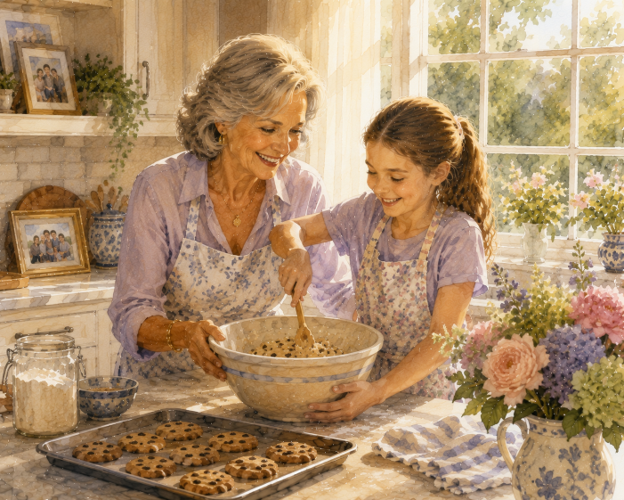
Discuss culinary legacy planning openly. Bring together family members to talk about their own food memories, wishes for inheritance, and ideas for preservation. Regular family meetings build consensus and foster anticipation for future meals and celebrations. Involve future generations. Encourage children and grandchildren to participate in cooking, recipe curation, and storytelling. Teach them the value of tradition and create opportunities for them to make new memories.
Periodic reviews lead to strong, lasting plans. Update lists, digital files, and legal documents so all assets remain accurately reflected as new recipes and traditions emerge. Legal professionals guide these processes, offering precision and compliance so culinary wishes hold weight in probate and beyond.
Preserving More Than Recipes: Passing Down Stories and Values
Estate planning for culinary inheritance is more than technical preservation. Recipes are linked to family history, personal stories, and shared values. Passing down instructions for a meal also means passing down stories about resilience, ingenuity, and love. Whether the recipe is a humble pot of soup, a complicated dessert, or a closely guarded sauce, the meaning behind the meal often outlasts the flavor on the tongue.
Record oral histories alongside written instructions. Encourage elders to recount memories tied to food, such as how a dish was invented out of necessity or became a symbol of unity during hard times. Incorporate these stories into recipe books, digital archives, and video recordings.
Share values as part of the inheritance process. Encourage collaboration, adaptability, and respect for origins as future generations reinterpret classic dishes. Allow for creativity, making space for dishes to evolve without losing their roots.
Celebrate the connections formed around the table. Highlight holidays, family gatherings, or seasons celebrated with specific foods. By pairing recipes with stories of laughter, perseverance, or gratitude, your family will see food as a reflection of heritage that transcends culinary technique.
Frequently Asked Questions (FAQ)
1. Can family recipes be included in an estate plan?
Yes. Recipes can be treated as personal property, and you may include instructions in your estate plan for how they should be preserved, shared, or passed down.
2. What is a culinary trust and how does it work?
A culinary trust is a legal arrangement where family recipes are placed under the management of a trustee. You can specify rules for access, sharing, or commercialization, ensuring your culinary heritage is honored.
3. Can secret or commercially valuable recipes be protected legally?
Yes. While a basic recipe can’t be copyrighted, you can protect it through confidentiality agreements, trademarks for branding, and estate planning structures that control its use.
4. Should recipes be included in my will or a separate document?
You can include them directly in your will, or reference them in a personal property memorandum or trust for more flexibility. Clear instructions reduce the risk of disputes.
5. How do I preserve handwritten recipes for future generations?
Digitize recipes by scanning, photographing, or creating digital cookbooks. Back them up on secure platforms, and consider distributing copies to multiple family members.
6. Can I record cooking demonstrations as part of my legacy?
Yes. Video recordings are a powerful way to capture cooking techniques, family stories, and traditions. These can be stored digitally and preserved as part of your estate.
7. What is a family recipe exchange?
It’s a gathering (in person or virtual) where relatives share recipes, stories, and samples. These events strengthen family bonds and create archives of culinary traditions.
8. Do recipes qualify as intellectual property?
The ingredients and instructions may not, but creative expressions like stories, cookbooks, and branding around a dish can be legally protected.
9. Why is it important to document culinary wishes?
Putting your intentions in writing ensures your recipes are handled according to your wishes, prevents confusion, and preserves family traditions.
10. Where can I learn more about estate planning in Missouri?
The Missouri Bar Association provides resources to help families understand wills, trusts, and how to incorporate unique assets like recipes into an estate plan.
Next Steps: Start Your Culinary Legacy Plan
Recipe inheritance becomes meaningful when treated as an intentional act. Begin organizing favorite dishes, assembling contributions from loved ones, and exploring which preservation techniques suit your family best. Whether through written books, secure digital formats, legal trusts, or multimedia archives, the effort you invest today protects heritage for generations yet to gather around the table.
Engage with professionals who share your values and goals. At Polaris Plans, we offer guidance tailored to families seeking to enshrine not only financial legacies but also the recipes and traditions that make your story unique. Craft a culinary legacy plan that gives your descendants not just the means to recreate your dishes, but the opportunity to savor the love woven into each bite. Invite the next generation to cook, remember, and shape the legacy with you.
By treating food history as an asset, your estate plan gains a deep sense of personal meaning. Your family will treasure not only the tastes that remind them of home but also the stories and connections that survive through every shared meal. With thoughtful planning, your culinary legacy thrives as an unbroken chain from your hands to theirs. By making family recipe estate planning part of your broader estate plan, you ensure your culinary legacy thrives for generations.
Ready to secure your family’s future? Contact Polaris Law Group today.
St. Charles Office – Phone: (636) 535-2733
St. Louis County – Phone: (314) 763-2739
Visit us online athttps://polarisplans.com/
At Polaris Law Group, we don’t just create legal documents—we build peace of mind for families like yours.