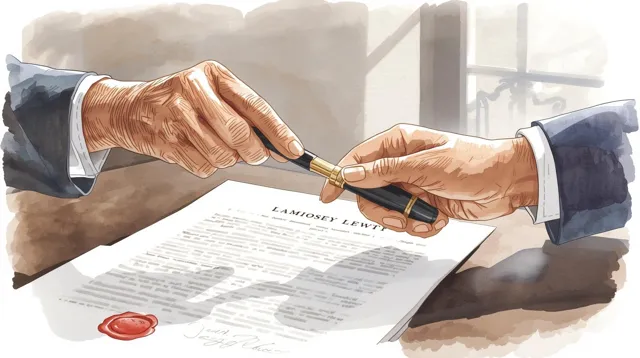
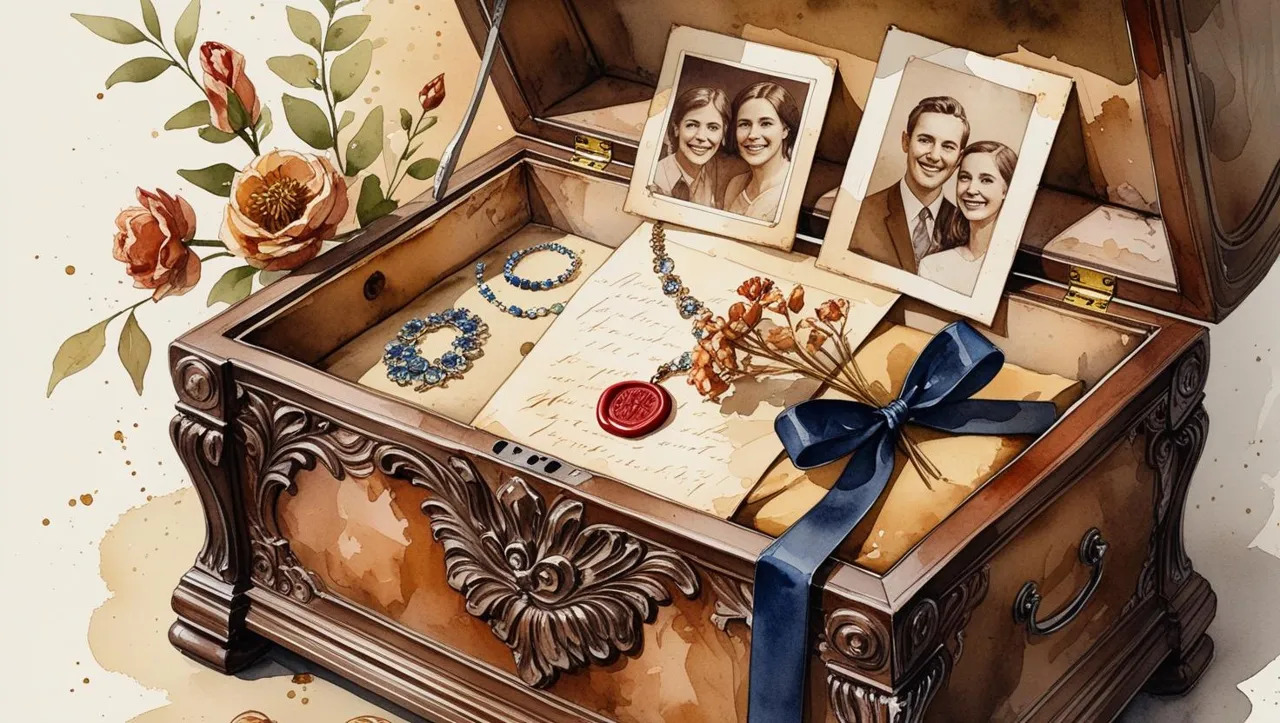
Family heirlooms carry more than financial worth. They paint stories, preserve identities, and often hold emotions that time never dims. Heirlooms with complex family histories require delicate handling. Every hand-off is a chance to honor past generations or resolve old conflicts. When building an estate plan, clarity and care become essential to balance the past with future wishes. This article will shed light on how to document, communicate, and legally safeguard heirlooms so their history is valued and their possession becomes a cherished source of unity, not division.
Understanding Heirloom Estate Planning with Sensitive History
Heirloom estate planning refers to passing down personal assets loaded with historical or sentimental significance. These can range from antique jewelry to letters, paintings, or artifacts tied to major events. Some items may be connected to moments of hardship, migration, or even disputed origins. Sentimental value can fuel lifelong relationships or fray them if not addressed respectfully. Sensitive family history woven into these possessions may involve unresolved pain or secrets. Recognizing this depth is the first step in planning.
“Sensitive family history” distinguishes heirlooms from everyday assets. Items could have surfaced during times of family fracture, represent complicated legacies, or involve legal disputes from their origin. Failing to clarify these details may leave room for conflict in future generations. An estate plan anticipates issues so no family member feels left out, surprised, or slighted as items change hands.
Identifying and Documenting Family Heirlooms
Identification goes beyond a quick list of items. Begin by gathering every tangible piece of family significance, from antique furniture to worn letters tucked in attic boxes. Record details for each heirloom, such as:
- Physical description, including dimensions, materials, and condition
- Date or time period of origin
- Historical significance: relationships, events, or milestones linked to the item
- Photographs or scans for visual records
- Any stories or anecdotes attached to the piece
Documentation serves several legal and emotional functions. It allows an objective understanding when conflicts arise. It offers a written legacy for descendents who may never meet the original owner. Consider storing this documentation digitally and with your legal papers for easy access. Uploading descriptions and photographs to private cloud storage or secure estate planning documents can protect records from being lost or accidentally altered over time.
For added value, encourage family members to contribute their memories about each item. Multiple viewpoints bring new details to light and give everyone a sense of inclusion in the process. Recording oral histories, either in writing or as audio files, can cement the heirloom’s story for future generations.
Engaging in Family Conversations Early
Clear communication stops disputes before they start. Many conflicts over heirlooms stem from silence or assumptions about who “deserves” a piece or values it most. Bring family together for open dialogue. Share not only the items you plan to pass down, but the reasons behind each decision. Discuss what each object means to you and listen carefully as others explain their feelings.
Some families may choose individual or group interviews to gauge interest. Others invite open discussion at a family meeting. One approach is to allow relatives to express which items carry special meaning so preferences are documented. If family relationships are strained or difficult topics are possible, having a neutral party such as an attorney or family mediator present can help conversations remain respectful and productive.
Early communication reduces surprises after your passing, which is often when tension runs highest. It invites relatives to share emotional attachments, air grievances, or express concerns about the item’s future. Every voice acknowledged builds trust and brings a sense of closure, both for heirs and for you as the giver.
Legal Tools for Distributing Heirlooms
Estate planning for heirlooms with complex family history requires clear, precise legal instructions. Two primary vehicles are used: the will and the trust. Each provides unique features and protections.
Wills carry straightforward directives for the distribution of assets. If you include heirs and their designated items directly, the transfer usually proceeds as written. Supplementing your will with a “personal property memorandum” gives flexibility since it can be adjusted without rewriting the main document. A memorandum is effective for describing individual items in detail and assigning them to named beneficiaries. Many states legally recognize these documents if specifically referenced in the will.
Trusts deliver an added layer of privacy and control. You can create a dedicated “heirloom trust” that manages the storage, care, and allocation of items. Trusts may include guidelines on preservation, such as whether an artifact should remain within the immediate family, cannot be sold, or must be maintained at a specific location. Appointing a neutral trustee is prudent when an heirloom’s history stirs powerful feelings or could generate disputes.
Other legal considerations involve securing any needed provenance paperwork, provenance being proof of legal ownership, especially for artworks and valuable memorabilia. For disputed origins or potential legal complications involving the source of an item, consult with a legal professional to determine if further documentation or disclosure will protect your estate and heirs from future claims.
Professional Appraisal and Equitable Distribution
Monetary value can threaten harmony if not clearly established. Some heirlooms double as financially significant assets, think rare coins, high-value art, or jewelry. Appraisals from certified professionals set a fair market value for each item. This process allows you to balance inheritances by value as well as by sentiment. For example, if one beneficiary receives an heirloom worth more than others, you can balance distributions using other assets in the estate.
Appraisals also matter for tax purposes and legal compliance. Estates with considerable value may attract scrutiny from tax authorities. Correctly valuing items removes ambiguity and protects your family from unexpected liabilities. Documentation from professional appraisers also supports your choices if beneficiaries question the “fairness” of the distribution.
Regularly updating appraisals keeps values accurate as markets and circumstances shift. This reduces the risk that previously overlooked increases in value could cause future conflict or tax complications after your death. Always attach current appraisals to the rest of your estate plan files and make beneficiaries aware of the basis for those values.
Heirlooms Tied to Controversial or Difficult Histories
Not every heirloom evokes only nostalgia. Items may carry traces of hardship, war, injustice, or difficult family legacies. Addressing these realities is often uncomfortable, but avoidance rarely brings peace or resolution. The decision whether to explain, partially disclose, or shield certain details depends on your priorities and your read of future generations’ capacity for understanding.
When appropriate, consider writing a private letter or detailed memorandum to your beneficiaries about the context of these items. Use precise language that respects both the pain and the learning such items can bring. Consider whether full transparency will serve family members’ healing or whether some details are best handled with more discretion. The goal is to treat the past honestly without reopening wounds that can overwhelm rather than educate.
If a piece is tied to disputed ownership, legal ambiguity, or possibly unwelcome public attention, seek legal guidance about the best disclosure approach. Discuss sensitive items in advance with those most affected. Where necessary, donation to archives, museums, or non-family organizations may sometimes serve as a dignified solution for particularly complicated heirlooms while preserving their story for posterity.
Using Trusts for Preservation and Control
Some heirlooms need more than a will to protect their meaning and condition. Trusts can be drafted with highly specific instructions. You may restrict sales outside the family, instruct that a piece stays within a particular branch, or allocate funds for ongoing maintenance. For multi-generational items, this is especially useful when no single descendant is prepared to store or insure them responsibly.
Trusts also present solutions for shared custody arrangements, allowing heirs to share possession on a rotating basis. This structure works well with vacation homes, art, books, or other items of communal value. Assigning a trustee, whether professional or from within the family, provides a check to guarantee the described rules are followed. Clear instructions lay out what happens if an heir wants to step aside or if maintenance becomes too costly for the estate.
Trusts can mandate educational requirements for display or care. Documents can stipulate that stories tied to the piece are passed along each time it changes hands. This strategy helps both preserve physical items and protect the emotional connection that gives heirlooms their true worth.
Open Communication as an Ongoing Process
The best estate plans are living documents. Family relationships shift, priorities change, and new information may come to light about existing heirlooms. Regularly revisit your estate plan and the list of items contained within. Inform your chosen legal representative or executor of any changes. Communicate these updates to beneficiaries openly and thoughtfully as time passes.
New generations may enter the family, bringing a fresh perspective on what different objects signify. Other members may face life changes that alter their ability to care for or desire an heirloom. Consistent updates to estate documents, appraisals, and distribution plans avoid surprises, build trust, and nurture understanding. It gives everyone the confidence that the plan in place still fits your intent and their needs.
Situations may arise where disputes seem likely or communication falters. For especially sensitive histories or ongoing strife, consider family mediation sessions or the services of a licensed counselor focused on legacy issues. This extra layer of professional guidance can make the difference between resentment and reconciliation. By keeping communication regular and intentional, family heirlooms can cement bonds rather than become sources of future litigation or grief.
Choosing the Right Legal Professional
Working with an attorney who specializes in estate planning for sensitive assets will make all the difference when dealing with complex family histories. Look for legal professionals with experience handling heirlooms or unique personal assets. This expertise brings added attention to language and documentation that captures both the unique value and the legal safety you need. Lawyers can draft clear documents that balance privacy, tax considerations, and beneficiary wishes. They can also coordinate with appraisers, trustees, and mediation specialists to produce a plan that reflects both your intentions and your family’s capacity to handle difficult conversations.
Every family has its own dynamic. A legal professional can offer objective counsel to smooth friction during the planning process. If you require advice about sensitive histories, disputed provenance, or best practices for communication, seek a law firm willing to invest the time required for thoughtful conversation. Polaris Plans works with clients to draft individualized estate plans that respect the story behind every heirloom. Be proactive so your most meaningful possessions are passed forward as gifts of memory and connection.
Honoring Heirlooms Through Storytelling and Legacy Projects
Family heirlooms do more than decorate homes or sit in storage; they are storytellers in physical form. To truly preserve their meaning, many families choose to create legacy projects that pair heirlooms with the stories behind them. This gives context to future generations, ensuring that objects are remembered not only for what they are but for the lives they represent.
One approach is to record oral histories. Sit down with elders who can explain the background of a particular piece, such as where it came from, why it mattered, or how it shaped family traditions. Pair these recordings with photos of the item, so descendants can see both the artifact and hear the voices connected to it. These materials can be digitized and stored securely, or even compiled into a private family archive.
Another option is to create a written or multimedia “heirloom journal.” Families can dedicate a page or digital file to each item, including photographs, appraisals, anecdotes, and instructions for care. Over time, this becomes a family history book anchored by objects. Unlike a list in an estate plan, this journal brings the human element forward — why the piece matters and how it reflects values worth carrying on.
For families with artists, writers, or videographers, heirlooms can inspire creative projects. A quilt, letter, or ring could become the subject of a memoir chapter, documentary, or exhibit at a community center. These projects honor both the heirloom and the family’s creativity in preserving history.
Incorporating storytelling into estate planning balances law with love. While wills and trusts secure the legal side of heirloom transfers, legacy projects secure the emotional side. Together, they ensure heirs receive not only the object but the meaning behind it, transforming inheritance into connection rather than conflict.
Frequently Asked Questions (FAQ)
1. What makes heirloom estate planning different from regular estate planning?
Heirloom estate planning focuses on personal items with deep sentimental or historical ties—like paintings, letters, or artifacts. It requires thoughtful documentation, open communication, and sometimes legal tools beyond wills to preserve both value and meaning.
- Should heirlooms be included in my will or a separate personal property memorandum?
A personal property memorandum, referenced in your will or trust, allows you to update heirloom assignments without rewriting legal documents. It offers flexibility while ensuring your intentions are clear and legally recognized.
- How should I prepare heirlooms for future distribution?
Start with a detailed inventory: describe each item, take photos, record its history, and note sentimental or financial value. Store this documentation with your estate plan—ideally in both physical and digital formats.
- Can discussing heirlooms with family help reduce future conflict?
Absolutely. Open conversations allow heirs to share attachments and preferences and help prevent surprises. Proactive dialogue has been shown to strengthen family unity and reduce emotional strain during transitions.
- Should I get my heirlooms appraised?
Yes—if heirlooms have significant monetary value (like fine jewelry or art), having them professionally appraised ensures fair division and smooths potential tax or equity issues.
- Can I use a trust to manage heirlooms?
Yes. Trusts allow for guidelines on care, display, transfer timing, and even shared ownership (e.g., rotating custody). They add privacy and flexibility beyond a will alone.
- What if my heirloom is tied to a painful or controversial history?
Consider adding a private letter or memo to explain context—before passing away. This respects the heirloom’s background while helping future generations understand and carry it forward.
- What is shared custody of an heirloom, and how does it work?
Shared custody allows multiple heirs to take turns possessing an item—useful for large or symbolic heirlooms. A trust or written schedule can manage this rotation to keep everything clear and fair.
- How often should I review my heirloom estate plan?
Regular reviews—especially after life changes such as relocations, new family additions, or updated values—ensure that plans stay relevant, reflective of emotional attachments, and legally binding.
- Where can I learn more about preserving heirlooms and cultural traditions?
The Smithsonian Center for Folklife and Cultural Heritage offers resources and insights on protecting cultural traditions, including the stories and objects families pass down through generations.
Next Steps: Preservation, Unity, and Future Storytelling
Heirloom estate planning calls for more than dividing property on a spreadsheet. The true value lies in the stories, resilience, and love contained inside each artifact. Through careful identification, candid conversation, legal precision, and creative legacy projects, you can transform complicated histories into sources of pride and connection.
By documenting heirlooms, addressing sensitive family histories, and weaving in storytelling, you ensure that future generations inherit not just objects but the meaning behind them. Whether captured in a trust, a family archive, or a multimedia project, heirlooms become living lessons in identity and unity.
Handled with openness and respect, every item becomes more than a possession — it becomes a chapter in your family’s story. Estate planning done with care ensures these chapters endure, giving your heirs the opportunity to treasure both the tangible and intangible gifts you leave behind.
Ready to secure your family’s future? Contact Polaris Law Group today.
St. Charles Office – Phone: (636) 535-2733
St. Louis County – Phone: (314) 763-2739
Visit us online athttps://polarisplans.com/
At Polaris Law Group, we don’t just create legal documents—we build peace of mind for families like yours.