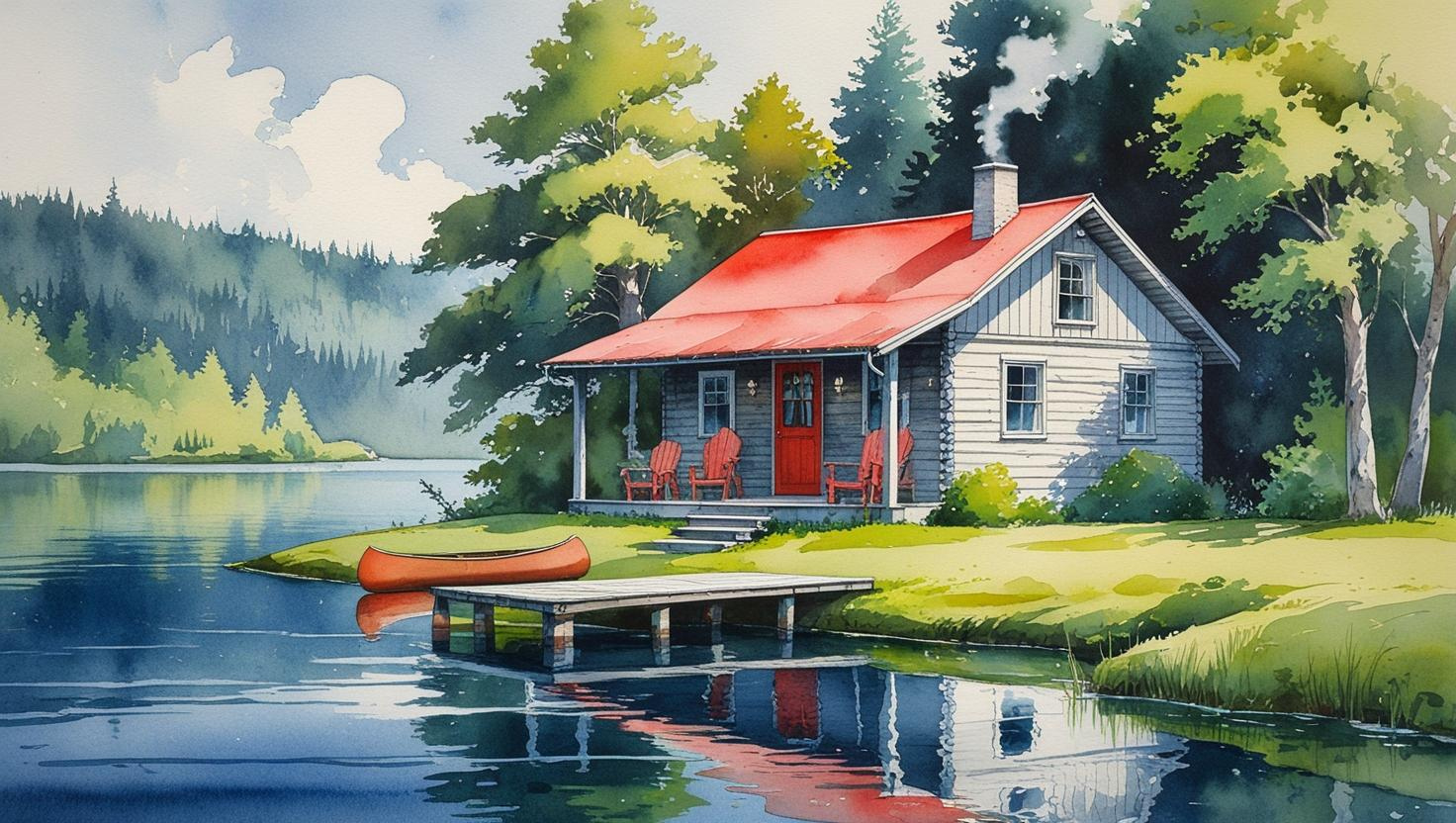
Vacation home inheritance brings unique challenges because cabins and beach houses aren’t just assets — they are places where memories have been built over generations. Memories have been built over generations. The lake house hosted holidays, the beach condo saw the first swimming lessons, the family cabin became a yearly retreat. When planning for vacation home inheritance, each decision carries emotional weight. Families must address unique questions. Who should receive the property? Who wants it? Will it stay a source of joy, or cause tension? Planning preserves memories while reducing disputes and uncertainty for heirs. This article addresses these challenges, offering practical options for passing down cherished vacation properties and laying a foundation for family harmony throughout future generations.
Open Family Conversation About the Vacation Property
Conversations about the future of the family vacation property lay the foundation for successful planning. Parents often assume their children will want the cabin or beach house. That assumption can be costly. Heirs may have different visions for the property. Some may live far away, making maintenance difficult. Others may struggle with the cost of upkeep or lack the same emotional attachment. Sometimes, one child wants to keep the cabin while another feels burdened by the obligations that come with it.
An honest family conversation should occur early, long before a transition happens. Ask each heir about their interest, their ability to handle expenses, and if shared ownership might work. Listen to everyone’s ideas and concerns. Let each family member voice whether they could commit to summers at the cabin or contribute to repairs and taxes. This process addresses potential conflicts in advance. Open communication also honors the emotional significance of the property, promoting transparency and unity. Document the decisions so expectations are clear.
Ownership Structures for Family Properties
Once a decision is made about vacation home inheritance, choosing an ownership structure becomes the next step. The right setup eases future management, prevents disputes, and can offer asset protection. Several options stand out, each with distinct benefits and risks.
Outright Ownership by Heirs: The most straightforward way is to leave the property to children in equal shares by will or trust. The property becomes theirs to keep, sell, or rent. However, this can lead to disagreements over use, maintenance costs, or selling decisions. Shared title also complicates transfers and exposes the asset to each owner’s debts or divorce.
Limited Liability Company (LLC): An LLC can own the property instead of individuals. Family members receive membership interests rather than direct title. An LLC operating agreement dictates rules about use, repairs, expenses, and sale. This structure promotes clarity and offers protection from personal liabilities. The LLC can also restrict sales to outsiders and define dispute resolution processes, preserving family interests long-term. Setting up and maintaining the LLC carries some cost, but pays off in clarity and reduced risk of legal disputes.
Qualified Personal Residence Trust (QPRT): For those seeking to transfer the property while minimizing gift tax, a QPRT transfers the home to an irrevocable trust. The owner retains the right to use the house for a set time, after which the property passes to beneficiaries. The value transferred for tax purposes is lower due to the owner’s retained interest, thus reducing gift or estate tax. QPRTs require precise drafting and compliance with tax rules, so legal guidance is essential.
Trust Ownership: Placing the property into a revocable or irrevocable trust offers control over who manages the home, how it is used, and the conditions of inheritance. Trustees can distribute costs and prevent unwanted buyers. Trusts provide privacy and avoid court probate, but must be kept up-to-date as family circumstances change.
Choosing the proper structure keeps cherished vacation properties within the family and minimizes disruptions. The best fit depends on family size, financial situation, the property’s value, and how likely disagreements are about ownership or expense sharing.
Managing Costs, Maintenance, and Shared Usage
With vacation home inheritance, the dream often meets reality when financial matters arise. Taxes, insurance, repairs, and long-term maintenance add up quickly. Shared ownership brings extra layers of complexity, especially if family members have unequal income or do not use the property equally.
Creating a written usage schedule builds predictability. Family members know when they can use the cabin, reducing double bookings or arguments. Maintenance responsibilities can either rotate annually or be split by agreement. Detailed rules should cover cleaning expectations, minor repairs, and larger renovations. Some families create committees to make group decisions about improvements or significant expenses.
It is smart to establish a dedicated bank account for the vacation property. Each owner contributes periodically, often based on ownership percentage or planned usage. Automatic payments help avoid disputes over who paid last. If financial disparities exist among heirs, set clear guidelines for what happens if someone cannot pay. The LLC or trust may be empowered to buy out owners who fall behind repeatedly.
Unexpected expenses are inevitable. Roofs need replacing, furnaces break, insurance premiums rise. Good planning includes funding reserves for repairs. Some families use life insurance proceeds to pay property bills for a transition period after inheritance. Clear cost-sharing agreements, combined with planning for one-time major repairs, preserve harmony while protecting the property for future generations.
Pros and Cons of Joint Ownership
Keeping a vacation property in the family across generations requires honest assessment of joint ownership. Brothers and sisters may begin with good intentions, but changes in life circumstances can trigger disputes.
Joint ownership keeps the family connected to the property. Shared memories build tradition, and children and grandchildren grow up in the same cherished space. Expenses are spread across several people rather than shouldered by one. Existing family agreements can govern use, repairs, and sale, reducing the risk of misunderstandings.
However, problems can emerge. Not all co-owners may have the same values or ability to contribute financially. One sibling might live across the country, rarely using the property yet objecting to changes or sales. In case of divorce, bankruptcy, or lawsuits, a co-owner’s share could end up in outsider hands, especially with no LLC or trust in place. Decisions about repairs or rental often lead to disputes. Dividing or selling the property may become the only solution if agreement breaks down. Thoughtful planning, such as buy-sell agreements within LLCs or trusts, addresses these risks directly.
Inheritance by Milestone: Structuring Property Transfers
Traditional inheritance often passes full ownership to heirs immediately upon the owner’s death. Alternatively, owners can tie the transfer to specific milestones or conditions. Milestone-based inheritance gives younger heirs a chance to mature, or lets surviving spouses use the property for life before it transfers to the next generation.
Some families specify that children receive ownership only after reaching a certain age, finishing college, or completing a major life event. Others provide that the property can be distributed only after agreement on a usage plan or financial commitment. This approach prepares heirs for the duties of property management and maintenance. It addresses parental concerns about whether children are ready for full responsibility.
This planning can be carried out using trusts, LLC agreements, or detailed directions in a will. The key is clarity, so that heirs understand their rights and obligations, and the process reduces stress during emotionally charged transitions.
Timeshare Inheritance: Unique Decisions
Timeshares often sit in a category apart from family cabins and beach houses. While they may hold sentimental value, the ongoing fees, obligations, and limited usage rights make timeshare inheritance a unique challenge. Not every heir wants this asset given the costs and restrictions involved.
Owners should discuss with heirs whether anyone actually wants to inherit the timeshare. If not, the will or trust can direct the executor to transfer it, disclaim it, or sell it if possible. Most timeshare companies allow heirs to refuse the transfer. Documenting this decision opens the door for a smooth transition. If heirs do wish to keep the timeshare, outline a clear plan for paying annual dues and scheduling usage periods. Homes with deeded ownership require extra steps to update records, while right-to-use models may simply need notification of transfer.
Transparency eliminates future surprises. Addressing timeshare inheritance head-on protects the rest of the estate and prevents inherited financial burdens from disrupting family ties.
Protecting Your Family Cabin Through Vacation Home Inheritance
One goal of planning for vacation home inheritance is preserving the special character of a property while reducing the chances of disputes or forced sales. Successful plans anticipate changes over time. Children grow, families expand, relationships evolve, and financial realities shift. By addressing potential risks in advance, families can keep cabins, lake houses, or beach homes sources of joy for generations to come.
Start by listing the property in your estate plan, then choose an ownership structure that best matches your family’s needs and priorities. Clearly outline rules for use, maintenance, and the transfer of shares or membership interests. If a family member wants out, set up a buyout process to avoid outside purchases. Build financial reserves for maintenance and emergencies so that the property does not become a source of stress or resentment. Periodically review plans to reflect new marriages, grandchildren, or changes in property usage patterns.
Professional guidance often clarifies the process. An attorney with experience structuring family vacation home succession can draft LLC agreements, trusts, and other documents that hold up in court while reflecting your wishes. Financial advisors can help budget for ongoing expenses and set up accounts for shared costs. Direct discussions with all stakeholders diffuse tension and increase the odds of a successful transition.
Preserving cherished vacation properties benefits more than just those who inherit directly. It builds a family legacy, strengthens intergenerational relationships, and lets children and grandchildren continue making memories together on familiar ground.
Estate Tax and Legal Considerations
Estate planning must consider tax laws. Vacation homes often represent significant value, pushing the estate above exemption thresholds. Without preparation, heirs may face unexpected estate or inheritance taxes. Outright gifts during the owner’s life, placing the home in an LLC, or using a QPRT can reduce estate tax exposure. Legal review of deeds, mortgages, and local property rules also prevents surprises.
If the vacation property sits across state lines, ownership documents and tax filings must accommodate each state’s laws. Recording transfers in the public records and updating insurance are necessary steps. Probate avoidance benefits from proper titling in trusts or LLCs, sparing families from court involvement and delay. Even seemingly small items, such as boat docks or outbuildings, should be accounted for in the overall plan.
Advance legal review lets families approach inheritance of the family cabin or beach house with confidence and clarity, building on the foundational work of open communication and agreed-upon ownership structure.
Planning for Long-Term Transitions and Exit Strategies
Even the most carefully designed inheritance plan needs flexibility. Families change, financial realities shift, and new generations may not have the same attachment to a vacation property. Building an exit strategy into your estate plan prepares heirs for these possibilities and helps avoid conflict years down the road.
One option is a buy-sell agreement within an LLC or trust. This agreement sets rules for how one heir can sell their share to another without forcing the entire property onto the open market. Clear valuation methods — such as requiring an independent appraisal — prevent disputes about fairness. This ensures that family members who want to remain connected to the vacation home can do so, while others have a clear and respectful way to exit.
Another approach is to establish trigger events. For example, the plan might say that after two generations, the property will be sold and proceeds divided. Some families find comfort in this because it acknowledges that the property may not remain practical forever. Alternatively, you might direct that the property can only be sold if a supermajority of heirs agree, giving the family strong influence over whether to keep or let go of the asset.
Families may also explore donating the property to a land trust, conservation group, or charitable organization after a certain point. This can provide tax benefits while preserving the land and memories in a way that aligns with family values. For some, this choice transforms the property into a legacy project, allowing future generations and even the community to share in its enjoyment.
Adding an exit strategy protects not only the property but also family relationships. It recognizes that while a vacation home may be a source of joy for decades, flexibility ensures that heirs are not trapped in arrangements that no longer serve them. By planning for both continuity and eventual transitions, you preserve harmony and honor the spirit of the legacy you’ve worked so hard to protect.
Frequently Asked Questions (FAQ)
1. What is the best way to pass down a vacation home?
The best method depends on your goals and family dynamics. Common options include outright ownership transfer, trusts, or forming a family LLC. Each structure has different benefits for control, tax planning, and dispute prevention.
2. How can families avoid conflict over a vacation property?
Early, honest communication is key. Families should discuss interest, financial ability, and expectations for use. Documenting decisions in writing — such as usage schedules and cost-sharing agreements — reduces misunderstandings.
3. What is a Qualified Personal Residence Trust (QPRT)?
A QPRT is an irrevocable trust that lets you transfer your vacation home to heirs at a reduced gift tax value while still allowing you to use the home for a set number of years. After that, full ownership transfers to your beneficiaries.
4. Should a vacation home be placed in an LLC?
Yes, many families use LLCs to manage vacation homes. An LLC creates clear rules for use, cost-sharing, and dispute resolution. It also provides liability protection and prevents outside ownership if a family member divorces or declares bankruptcy.
5. How do heirs manage vacation home expenses after inheritance?
Families often set up a dedicated account for taxes, insurance, and maintenance. Contributions are typically based on ownership shares or usage. Some families also fund repair reserves or use life insurance to cover costs during transitions.
6. Can heirs refuse to inherit a timeshare?
Yes. Timeshares can be disclaimed if heirs do not want the financial burden. Owners should specify intentions in their estate plan to avoid confusion, since many timeshares come with annual fees and limited flexibility.
7. How can estate taxes affect vacation home inheritance?
Vacation homes can significantly increase the taxable value of an estate. Strategies like gifting during your lifetime, QPRTs, or LLCs may help reduce exposure to estate and gift taxes.
8. What happens if heirs disagree about selling the vacation property?
If no agreement exists, disputes can lead to court involvement or forced sales. Planning tools like LLC agreements or trust documents can establish buy-sell provisions, majority-vote requirements, or usage guidelines to avoid deadlocks.
9. Is joint ownership a good idea for family cabins or lake houses?
Joint ownership works for some families, but it can cause problems if heirs have unequal interest or ability to contribute financially. Without written agreements, disagreements about repairs, usage, or sales can escalate quickly.
10. Where can I learn more about family vacation property inheritance?
The American Bar Association offers helpful resources on estate planning basics, including guidance for family properties. You can explore their insights here: American Bar Association – Estate Planning Resources.
Next Steps: Family Harmony and Legacy Preservation
Vacation homes are more than property — they are chapters in a family’s story. With thoughtful planning, open communication, and clear legal structures, these special places can remain sources of joy rather than conflict. By addressing ownership, costs, usage, and tax implications, you protect both the property and the relationships that surround it.
At the same time, wise planning recognizes that circumstances may change. Exit strategies, buyout provisions, and long-term transition plans give heirs the flexibility to adapt when future realities differ from today’s expectations. This balance of preservation and practicality ensures that the vacation home remains a blessing, not a burden.
When families commit to planning early and revisiting decisions as life evolves, cherished cabins, beach houses, and lake homes can continue to nurture connection across generations. With the right strategy, you leave more than walls and land — you leave lasting memories, harmony, and a legacy rooted in togetherness.

Ready to secure your family’s future? Contact Polaris Law Group today.
St. Charles Office – Phone: (636) 535-2733
St. Louis County – Phone: (314) 763-2739
Visit us online at https://polarisplans.com/
At Polaris Law Group, we don’t just create legal documents—we build peace of mind for families like yours.