Written by: Attorney Raymond Chandler
A Gateway to Health Coverage
You may qualify for Medicaid in Missouri if your household income falls within the state’s limits. Since Missouri’s Medicaid expansion, adults ages 19 to 64 can qualify on income alone. As of April 1, 2026, that means about $21,226 a year or less for a single adult and $43,890 or less for a family of four. Children, pregnant women, seniors, and people with disabilities may also qualify under separate MO HealthNet programs, often at higher income limits. This guide breaks down who qualifies for Medicaid in Missouri, how income and residency rules work, how to apply, and your options if you do not qualify.
1. Medicaid Demystified: What Is It and Why Does It Matter in Missouri?
Medicaid is a joint federal and state program designed to provide health insurance to low-income individuals and families. Its purpose is to ensure that vulnerable populations—including children, seniors, and individuals with disabilities—receive the medical care they need.
Medicaid Expansion: A New Era for Missouri
Missouri’s Medicaid expansion brought significant changes to the program, making more residents eligible based solely on income. This change has allowed thousands of additional Missourians to access affordable healthcare. For many, it has meant the difference between delaying treatment and getting timely care.
2. Who Can Access Medicaid in Missouri? A Deep Dive into Eligibility
Eligibility for Medicaid in Missouri depends on a combination of factors: income, residency, citizenship, and specific personal circumstances. Here’s an in-depth look at the primary categories of individuals who may qualify:
Low-Income Adults
Missouri’s Adult Expansion Group generally covers adults ages 19-64 whose income falls within the applicable MAGI-based limit. Effective April 1, 2026, Missouri lists approximate maximum annual income at the levels below:
- An individual earning approximately $21,226 or less annually may qualify.
- A family of four with an income of $43,890 or less also falls within this threshold. This category often benefits working adults who previously earned too much to qualify but too little to afford private insurance.
Children and Pregnant Women
Missouri’s MO HealthNet for Kids and MO HealthNet for Pregnant Women programs provide robust coverage:
- Children: Comprehensive coverage includes preventative care, immunizations, specialist visits, and even dental services. The income eligibility limit for children varies by age, with more lenient thresholds for younger children.
- Pregnant Women: Coverage includes prenatal care, labor and delivery, and postpartum services. Pregnant women are typically eligible with incomes up to 196% of the FPL, ensuring a healthy start for both mother and child.
Seniors
Older adults aged 65 and older may qualify for Medicaid, especially if they require:
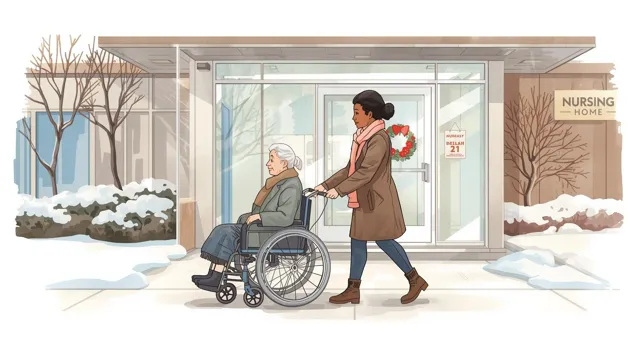
- Long-Term Care Services: For individuals who meet applicable financial and medical eligibility requirements, MO Healthnet may cover nursing-facility care and certain home-based and community-based long-term care services.
- Dual Eligibility: Many seniors qualify for both Medicaid and Medicare, allowing them to access comprehensive coverage that includes Medicaid’s assistance with out-of-pocket Medicare expenses.
People with Disabilities
Individuals with disabilities may qualify under specialized programs such as:
- Supplemental Security Income (SSI)-Linked Medicaid: SSI eligibility can be important to Medicaid eligibility, but Missouri is a so called § 209(b) state and applies its own MO HealthNet eligibility rules for aged, blind, and disabled applicants. Receiving SSI does not automatically establish MO HealthNet eligibility in every case.
- Home and Community-Based Services (HCBS): Eligible individuals who meet the applicable Medicaid and nursing-facility-level-of-care requirements may receive authorized home- and community-based services as an alternative to institutional care
- Medically Needy Program: For those whose income exceeds Medicaid limits but face high medical expenses, this program can help cover essential care.
Additional Considerations
- Residency: Applicants must be Missouri residents and intend to remain in the state.
- Citizenship: Applicants must be U.S. citizens or qualified non-citizens, such as lawful permanent residents, who meet specific eligibility criteria.
- Other Personal Circumstances: Certain categories, such as foster children or former foster youth up to age 26, also qualify for Medicaid under special provisions.
3. Income Requirements Decoded: Do You Meet the Financial Threshold?
Income is one of the most critical factors in determining Medicaid eligibility. Missouri evaluates household income using federal poverty guidelines (FPG), which are adjusted annually. Here’s a general breakdown:
- Single Adult: Income must be at or below 138% of the FPL.
- Family of Four: Higher income thresholds apply, reflecting household size.
Income calculations consider a variety of sources, including wages, unemployment benefits, and self-employment earnings. For those with variable or seasonal income, providing thorough documentation is crucial to ensure accurate eligibility determinations.
4. Special Populations: Medicaid for Children and Pregnant Women
Missouri prioritizes the health of its youngest and most vulnerable residents through targeted programs:
- MO HealthNet for Kids: Offers children access to routine check-ups, vaccinations, and specialized medical care.
- Prenatal and Postpartum Care: Pregnant women can access essential prenatal services and postpartum support, reducing risks for both mother and baby.
These programs not only improve health outcomes but also reduce financial burdens on families.
5. Medicaid Assistance for Seniors and Differently-Abled Individuals
For older adults and individuals with disabilities, Medicaid provides critical support through specialized services such as:
- Long-Term Care: Covers nursing home care or in-home support services to help seniors and those with disabilities maintain their quality of life.
- Home and Community-Based Services (HCBS): Offers alternatives to institutional care, enabling individuals to remain in their homes.
These tailored programs are designed to preserve dignity and independence while addressing complex healthcare needs.
6. How to Apply for Medicaid in Missouri: A Step-by-Step Guide
Applications for basic health coverage may be relatively straightforward, while aged, disabled, and long-term-care Medicaid applications can involve substantially more complex financial and legal eligibility rules.
MAGI Medicaid for expansion adults is primarily income-based and generally does not use the long-term-care asset tests. Medicaid for nursing-home and certain HCBS benefits can involve income limits, countable-resource limits, medical level-of-care requirements, transfer rules, and other elder-law planning issues.
- Gather Necessary Documents: Collect proof of income, identity, citizenship, and residency.
- Visit MO HealthNet: Submit your application online through the MO HealthNet website or in person at your local Department of Social Services (DSS) office.
- Complete the Application: Provide all required details and attach supporting documentation.
- Follow Up: Be prepared to answer additional questions or provide further documentation if needed.
A thorough application can significantly expedite the approval process, minimizing delays in accessing coverage.
7. What Happens if You Don’t Qualify? Exploring Alternatives
If you’re not eligible for Medicaid, there are still affordable healthcare options available:
- ACA Marketplace Plans: Subsidized insurance plans through the Affordable Care Act may offer comprehensive coverage for those above Medicaid’s income thresholds.
- Community Health Centers: Provide low-cost or free medical services to uninsured residents.
- Local Charities: Offer resources for medications, screenings, and routine care.
8. Dispelling Common Myths About Medicaid Eligibility in Missouri
Misunderstandings often prevent people from applying for Medicaid. Let’s set the record straight:
- Myth: “I’m employed, so I don’t qualify.”
- Truth: Eligibility is based on income, not employment status. Many working individuals qualify.
- Myth: “Only families can apply.”
- Truth: Medicaid expansion allows adults without dependents to qualify.
- Myth: “The application process is too complicated.”
- Truth: With proper preparation, the process is straightforward, and assistance is available if needed.
Health Coverage for All Missourians
Medicaid remains a cornerstone of healthcare accessibility in Missouri, providing essential services to individuals and families in need. By understanding eligibility requirements and navigating the application process, you or your loved ones can access life-changing health benefits.
Take the first step today. Contact Polaris Estate Planning and Elder Law for expert guidance on long-term care planning and Medicaid Asset Protection. Your health and peace of mind are worth it.